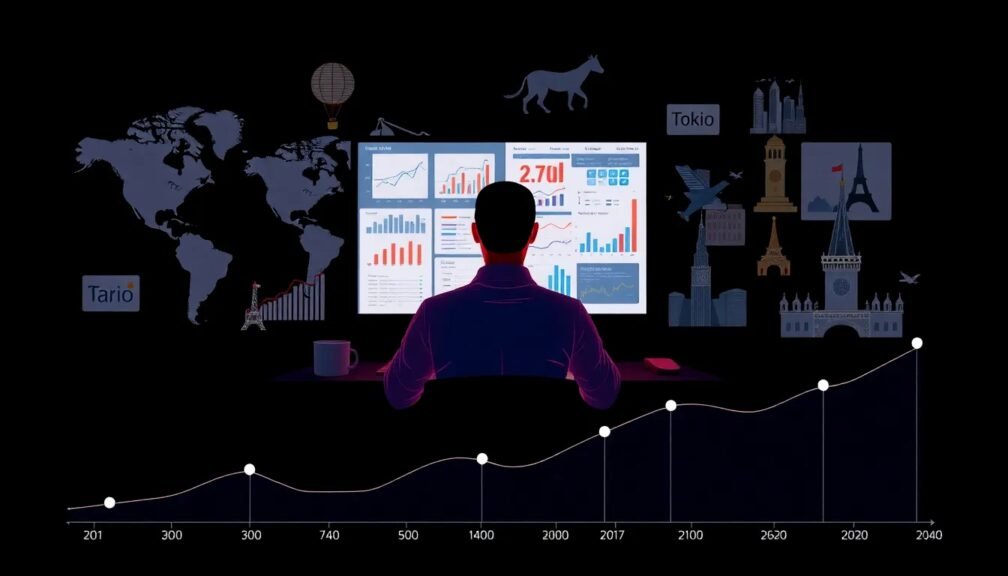
In a world increasingly connected by technology, the future of travel agencies has never been more promising—yet challenging. As digital innovation reshapes consumer expectations and industry practices, traditional travel agencies must adapt to stay relevant. From personalized experiences powered by data analytics to the rise of AI-driven customer service, the evolution is profound. In this article, we’ll explore how these changes influence the future of travel agencies and what steps leaders should take to thrive in this digital landscape.
The Shift Towards Digitalization
Understanding the Digital Landscape
The travel industry has always been resilient, evolving through eras of change. However, the digital revolution has accelerated this transformation like never before. According to recent studies, over 70% of travelers prefer to research and plan their trips online. This shift has forced travel agencies to rethink their traditional business models and embrace digital platforms, moving beyond static brochures and face-to-face consultations.
The Role of Mobile Technology
Mobile technology is at the forefront of this transformation. With over half of travel bookings now made through mobile devices, agencies must ensure they have mobile-friendly websites and applications. By optimizing for mobile, they improve user experience and reach tech-savvy consumers who rely on their smartphones for planning travel.
Embracing Social Media
Social media is no longer just a platform for personal connections but a powerful marketing tool. Agencies that effectively leverage platforms like Instagram, Facebook, and TikTok can showcase destinations and services, connecting with potential customers in innovative ways. User-generated content, influencer partnerships, and targeted advertising can create authentic brand experiences, driving engagement and bookings.
Personalization: The Key to Customer Loyalty
Data-Driven Insights
In the future of travel agencies, personalization will be paramount. By harnessing big data, agencies can gain valuable insights into customer preferences, behaviors, and travel patterns. This data allows for tailored marketing strategies and personalized services, creating unforgettable travel experiences that resonate with individual wants and needs.
Customized Travel Solutions
Agencies can use data analytics to curate customized travel itineraries. By understanding a client’s previous travel history, interests, and budget constraints, agencies can create fully personalized travel experiences that enhance customer satisfaction and foster brand loyalty.
The Integration of AI and Chatbots
Enhancing Customer Service
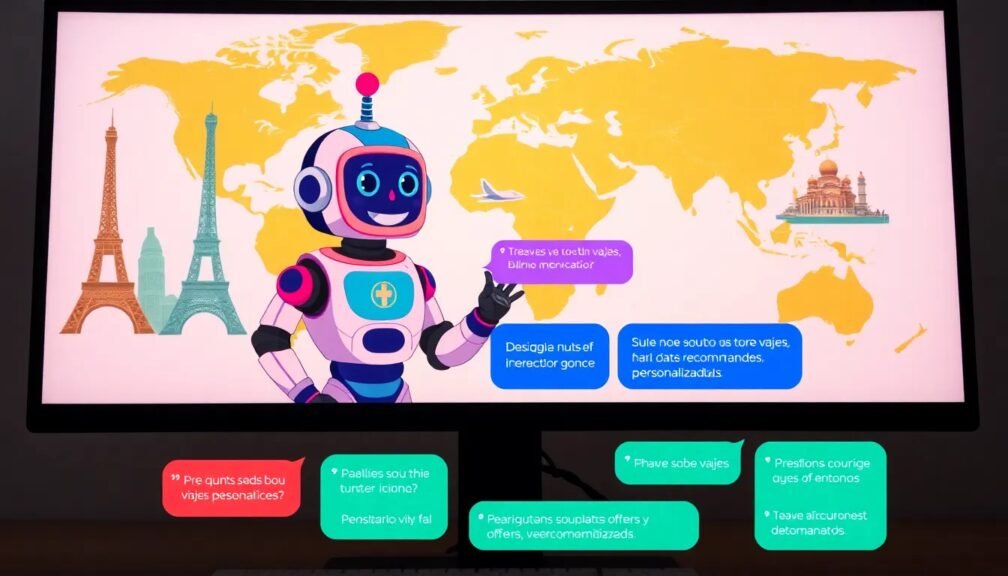
Artificial intelligence (AI) is revolutionizing the customer service landscape in the travel industry. Chatbots equipped with AI can provide instant responses to customer inquiries, improving response times and enhancing user satisfaction. These digital assistants can handle a range of tasks—from booking flights to managing cancellations—allowing human agents to focus on more complex issues that require a personal touch.
Predictive Analytics for Better Decision Making
AI also plays a crucial role in predictive analytics, helping travel agencies anticipate consumer trends. By analyzing historical data, agencies can predict future travel behaviors, allowing for proactive marketing campaigns and improved inventory management.
Sustainability: Meeting New Consumer Demands
Eco-Friendly Travel Options
As consumers become increasingly aware of their environmental impact, the future of travel agencies must include sustainable practices. Agencies should prioritize eco-friendly travel options—such as carbon offset programs, sustainable accommodations, and curated itineraries focused on environmental conservation. By aligning with these values, agencies can attract environmentally conscious travelers.
Promoting Responsible Tourism
Beyond simply offering sustainable options, travel agencies have the responsibility to promote responsible tourism. Educating travelers about local cultures, customs, and ethics can enhance their travel experience while fostering respect for destination communities.
The Rise of Virtual and Augmented Reality
Transforming the Booking Experience
Virtual reality (VR) and augmented reality (AR) are game-changers for the travel industry. These technologies allow potential travelers to experience a destination before booking, providing immersive previews that can influence their decisions. Imagine browsing a travel agency’s website and virtually walking through the streets of Paris or experiencing the excitement of a beach resort in Bali—all from the comfort of home.
Enhancing Destination Marketing
Agencies can leverage VR and AR to create captivating marketing campaigns. By offering virtual tours or interactive experiences, they can engage users on a deeper level, making their offerings more enticing.
The Global Impact of Partnerships
Collaboration with Technology Providers
To navigate the future of travel agencies, collaboration with technology providers is essential. Forming partnerships with tech companies can provide agencies with the tools needed for digital transformation—ranging from advanced booking systems to customer relationship management (CRM) software.
Alliances with Local Businesses
Collaboration with local businesses and service providers can help agencies create unique travel experiences. These partnerships can result in exclusive offers, guided tours, and special deals that enhance the overall travel experience for customers while supporting local economies.
Actionable Insights for Travel Agencies
Embrace Digital Transformation
Agencies should begin by auditing their existing digital capabilities. Implementing robust digital marketing strategies, updating websites for user-friendliness, and investing in mobile technology can significantly enhance visibility and accessibility.
Leverage Data Analytics
Travel agencies must invest in data analytics to understand customer preferences better. Tools that analyze booking patterns can help agencies tailor their services and offerings, enhancing customer satisfaction.
Focus on Personalization
Building relationships with customers should be a priority. Personal touches, such as personalized emails, tailored itineraries, and follow-up surveys, can create lasting impressions that translate into repeat bookings.
Promote Sustainability
Incorporating sustainability into everyday practices is not just an ethical choice; it’s a market demand. Creating travel packages that emphasize eco-friendly options can attract a growing segment of conscious consumers.
Stay Updated with Technology
Continuous learning is key in an industry that rapidly evolves. Agencies should stay informed about emerging technologies, such as AI, VR, and the latest travel apps, to remain competitive.
Conclusion
The future of travel agencies is undoubtedly intertwined with digital innovation. As technology continues to reshape the industry, agencies have the opportunity to emerge stronger and more relevant than ever. By embracing advancements such as big data, AI, and VR, while focusing on personalization and sustainability, they can create unforgettable travel experiences for their clients.
Adaptation is not merely an option but a necessity in this fast-evolving landscape. Agencies that embrace these changes will not only survive but thrive, paving the way for a vibrant and innovative future in travel. Now is the moment for forward-thinking agencies to take action, innovate, and lead the charge into a new era of travel excellence.