In today’s fast-paced business environment, corporate travel management has become a crucial aspect for companies looking to balance operational needs with financial prudence. As organizations increasingly rely on travel for client meetings, conferences, and partnerships, the need for effective strategies to minimize costs while maximizing efficiency has never been more pressing. This article dives deep into corporate travel management, outlining actionable strategies for cost savings that can result in significant benefits for businesses of all sizes.
Understanding Corporate Travel Management
Corporate travel management encompasses the planning, booking, and overseeing of travel arrangements for business purposes. An effective travel management system streamlines processes, ensures compliance with company policies, and fosters a positive travel experience for employees. However, the challenge lies in balancing costs without compromising on quality or convenience.
The Importance of Cost Savings in Corporate Travel Management
Cost-savings in corporate travel management extend beyond just minimizing expenses. Efficient travel strategies can lead to improved employee satisfaction, better resource allocation, and enhanced productivity. With travel budgets often accounting for a substantial portion of overall operational costs, focusing on savings can significantly impact an organization’s financial health.
Key Strategies for Cost Savings in Corporate Travel Management
1. Develop a Comprehensive Travel Policy
A well-defined travel policy serves as the backbone of successful corporate travel management. This policy should outline guidelines for booking processes, travel class, accommodation standards, and expense reporting. By establishing clear parameters, companies can gain better control over travel expenditures.
Actionable Tip: Involve employees in the creation of the travel policy for increased buy-in and compliance. Use surveys to gather input on travel preferences and pain points.
2. Centralize Travel Booking
Centralizing travel bookings through a dedicated platform or travel management company can streamline the process. This not only simplifies the booking experience for employees but also aggregates data, allowing for better tracking and reporting of travel expenses.
Actionable Tip: Consider integrating tools like Expense Management Software that connect directly to booking platforms for real-time tracking of travel expenditures.
3. Leverage Technology for Booking and Tracking
Investing in technology can drastically reduce costs and improve efficiency in corporate travel management. Online booking tools, mobile apps, and inventory management systems can facilitate seamless travel arrangements. Automated expense reporting tools also reduce the administrative burden and lead to faster reimbursements.
Actionable Tip: Regularly assess new technological solutions and adopt those that provide the best ROI while aligning with your corporate travel objectives.
4. Foster Supplier Relationships
Building long-term relationships with airlines, hotels, and car rental services can yield valuable discounts and perks. Negotiating corporate rates can significantly reduce costs associated with frequent travel.
Actionable Tip: Create a preferred supplier list and engage in negotiations for better deals based on your company’s travel volume.
5. Encourage Advance Booking
Encouraging employees to book their travels well in advance can lead to substantial savings. Airlines and hotels typically offer lower rates for early bookings compared to last-minute arrangements.
Actionable Tip: Incentivize early bookings with rewards or recognition programs to encourage participation from the entire organization.
6. Monitor Travel Trends
Staying updated on industry trends is essential for optimizing corporate travel management. Trends in pricing, emerging destinations, and new carriers can all impact travel costs.
Actionable Tip: Subscribe to travel industry newsletters and reports to keep abreast of changes and adjust your corporate travel strategy accordingly.
7. Implement Cost-Effective Travel Alternatives
In some cases, alternative travel options, such as train travel or remote conferencing tools, can be more cost-effective than traditional air travel. During shorter trips or where face-to-face meetings are not strictly necessary, these alternatives can offer significant savings.
Actionable Tip: Create guidelines for employees to explore all options before booking travel, ensuring they evaluate not only cost but also time and convenience.
8. Monitor and Analyze Travel Expenses
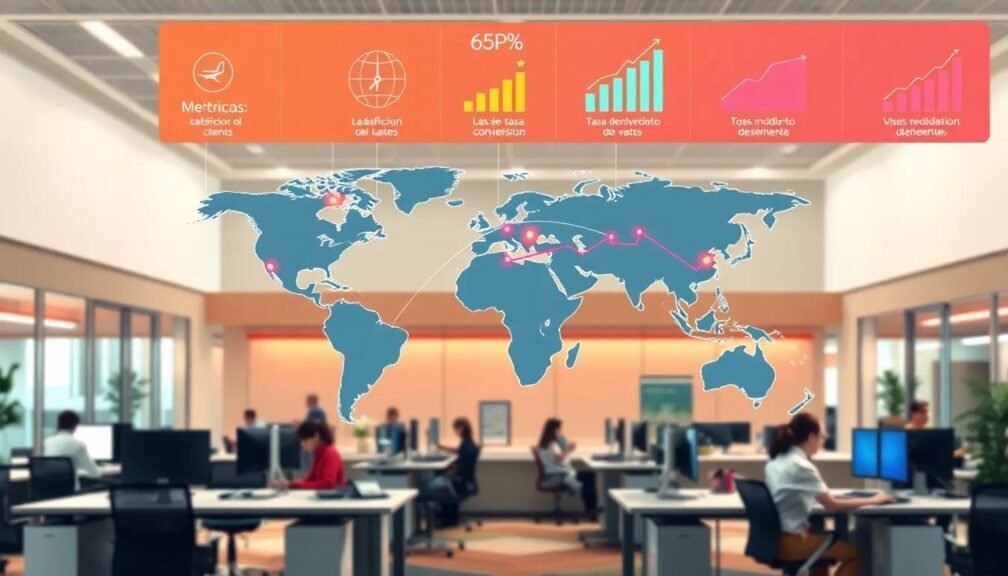
A continuous monitoring system for travel expenses can reveal spending patterns and identify areas for improvement. Using data analytics tools to assess travel spending can provide insights into behaviors and highlight potential savings.
Actionable Tip: Schedule regular reviews of travel expenditures and cross-reference them with the company’s travel policy for compliance.
9. Train Employees on Travel Best Practices
Providing training for employees on your travel policy and best practices can lead to increased awareness and responsible spending. Employees should understand what constitutes reasonable expenses and how to make cost-effective travel decisions.
Actionable Tip: Host training sessions and distribute informative materials on the corporation’s travel policies and effective travel management strategies.
Conclusion: Actionable Insights for Your Corporate Travel Management Strategy
Effective corporate travel management is not merely about cutting costs; it’s about fostering a strategic approach that encapsulates efficiency, employee satisfaction, and financial prudence. By developing a detailed travel policy, leveraging technology, and cultivating supplier relationships, organizations can transform their travel management processes.
All companies can implement these strategies—from startups to multinational corporations—fostering a corporate culture that values cost-effective solutions while prioritizing employee needs.
Make a commitment today to review your current corporate travel management practices and identify areas for improvement. With thoughtful execution of these strategies, you’ll find that cost savings can not only enhance your organization’s bottom line but also create a more enjoyable travel experience for your employees.
In the realm of corporate travel management, those who adapt and innovate are the ones who will thrive. Start making these critical changes now, and watch as both your travel experience and your budget benefit immensely.